




EISS Strategic Assessment No. 01/2026 | November 2026
Institutional analysis | Research cutoff: 25 November 2026
Executive summary
Ethiopia enters the closing weeks of 2026 facing a convergence of diplomatic, economic and security pressures. Renewed tensions with Eritrea, conflict in northern Ethiopia, the war in Sudan and competing approaches to Red Sea governance have made its regional environment increasingly complex. The November meeting of the foreign ministers of Egypt, Sudan and Eritrea in Aswan provides a particularly important illustration of the emerging diplomatic landscape.
This assessment examines whether these developments constitute strategic encirclement or a more fluid convergence of interests among neighbouring states. It argues that the distinction matters: treating every diplomatic disagreement as evidence of a coordinated hostile strategy risks narrowing the space for negotiation, while dismissing emerging alignments could obscure genuine vulnerabilities. Ethiopia’s long-term resilience depends on diversified commercial access, credible diplomacy, domestic stability and respect for the sovereignty of neighbouring countries.
1. Analytical framework: geography, vulnerability and strategic autonomy
Strategic autonomy is the capacity of a state to pursue its principal national objectives without excessive dependence on a single external partner or route. For Ethiopia, geography makes this an especially significant objective. Following Eritrea’s independence in 1993, Ethiopia became landlocked. Its international trade consequently depends on cooperation with coastal neighbours and on the infrastructure connecting domestic production to overseas markets.
Landlocked geography is not in itself a security crisis. Commercial arrangements can provide reliable access to international shipping without altering borders or transferring sovereign territory. However, concentrated dependence creates exposure to transport disruptions, changes in commercial terms and political disagreements. The policy challenge is therefore to distinguish access to maritime services from ownership of coastal territory and to recognise that each involves different legal and diplomatic considerations.
The term encirclement, as employed in this paper, describes a potential strategic condition rather than an established conspiracy. It could emerge through mutually reinforcing restrictions, diplomatic exclusion or regional hostility even when participating governments have different motivations. Establishing the existence of an intentionally coordinated campaign would require stronger evidence than parallel diplomatic positions alone.
2. The Aswan meeting and the emerging regional alignment
On 21 November 2026, the foreign ministers of Egypt, Sudan and Eritrea met in Aswan. Egypt’s official account emphasised coastal-state responsibility for Red Sea governance, navigational security, territorial sovereignty and opposition to unilateral approaches to water and security questions [1]. Ethiopia was not explicitly named in the statement.
The significance of the meeting lies in the combination of issues under discussion. Maritime governance, Nile water management and regional sovereignty are distinct policy areas, yet their appearance within a common diplomatic framework may increase their interaction. For Addis Ababa, this creates a need to consider how disagreements in one domain might affect negotiations in another.
Egypt has interests in Nile water security and the operation of international shipping routes. Eritrea has interests in sovereignty, border security and the preservation of its coastal jurisdiction. Sudan faces an exceptionally difficult domestic conflict alongside its own regional relationships. These interests may overlap without being identical. As such, the Aswan meeting is evidence of diplomatic coordination, not sufficient proof of a unified military strategy against Ethiopia.
An appropriate analytical response is to identify which elements of the alignment are negotiable, where interests are genuinely incompatible and which institutions could provide channels for continued dialogue. Freedom of navigation, reliable commerce and avoidance of interstate war offer potential areas of shared interest even among governments with serious disagreements.
3. Ethiopia–Eritrea relations and the northern security dilemma
The border war of 1998–2000 and subsequent rapprochement in 2018 demonstrate that relations between Ethiopia and Eritrea can change substantially. Their recent deterioration is therefore neither unprecedented nor necessarily irreversible.
Reuters reported on 18 November that sources and conflict monitors described a concentration of forces near the shared border. Accounts of direct clashes differed, and the agency could not independently establish some of the reported incidents [2]. The renewed conflict in northern Ethiopia and the diplomatic rupture between Addis Ababa and Asmara are also examined in a UK Parliament research briefing dated 24 November [3].
Ethiopia has accused Eritrea and other regional actors of involvement in its internal conflict. The governments concerned have denied relevant allegations. Eritrea has in turn portrayed Ethiopian maritime ambitions as a threat to its sovereignty. These competing narratives illustrate a security dilemma: measures described as defensive by one government can be interpreted as preparations for aggression by another.
The economic and humanitarian consequences of interstate escalation would extend well beyond the immediate border region. Additional displacement could burden communities already affected by conflict. Public expenditure could shift away from development, and uncertainty could discourage investment and disrupt commercial relationships. De-escalation mechanisms, independent verification of contested incidents and sustained communication channels merit consideration regardless of disagreements over responsibility.
4. Sudan, Egypt and the interaction between water and security
The relationship between Ethiopia and Egypt cannot be understood independently of the Nile. The Grand Ethiopian Renaissance Dam represents a major development investment for Ethiopia, while downstream states have expressed concerns regarding water availability and operating arrangements. These competing priorities make technical cooperation and credible information exchange particularly important.
Water negotiations should be treated as a distinct diplomatic process rather than as a proxy for every other regional disagreement. Joint examination of hydrological data, drought scenarios and operating procedures offers a more concrete basis for evaluating risks than broad assertions of national entitlement.
Sudan’s internal war introduces an additional layer of uncertainty. A fragmented security environment may affect border communities, commercial networks and humanitarian movements. Congressional Research Service analysis published on 6 November describes the possibility that Ethiopia’s domestic conflicts and regional tensions could interact with the interests of external powers [4]. This does not make wider war inevitable, but it highlights the limitations of evaluating each country in isolation.
Ethiopia, Egypt and Sudan share an interest in predictable regional economic conditions despite their disagreements. Separating technical water discussions from accusations over armed conflict could help preserve mechanisms for cooperation during periods of severe political tension.
5. Maritime diversification and the Somaliland question
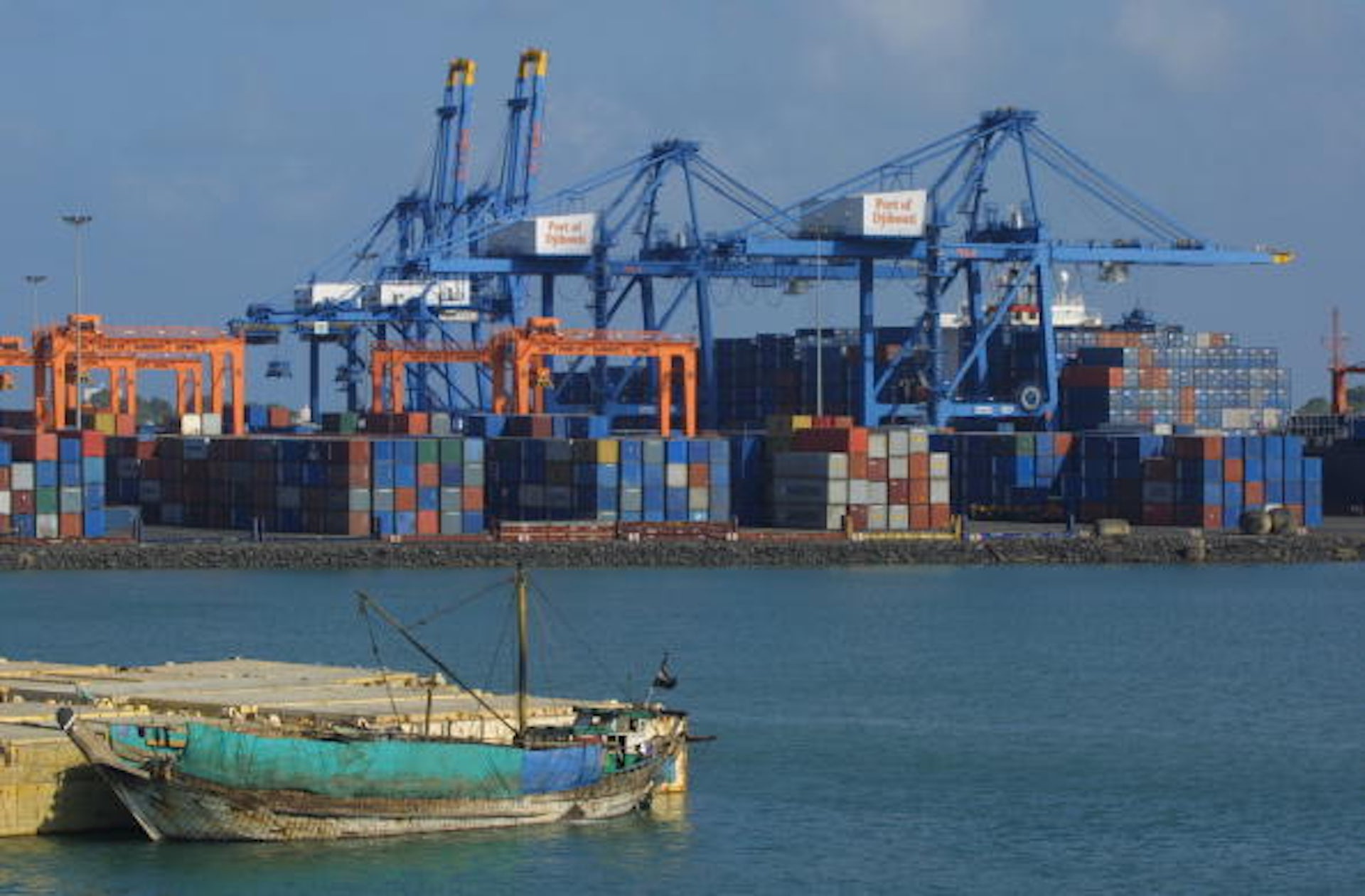
Djibouti has long occupied a central position in Ethiopia’s maritime trade network. This relationship is an economic asset as well as a source of concentrated exposure. Diversification should therefore complement rather than necessarily replace established commercial partnerships.
Potential alternative corridors through Somaliland, Somalia, Kenya or other coastal partners must be evaluated individually. Their viability depends on infrastructure quality, transport and insurance costs, financing, legal certainty, customs arrangements and the consent of relevant authorities. The existence of a port does not automatically make a corridor commercially competitive.
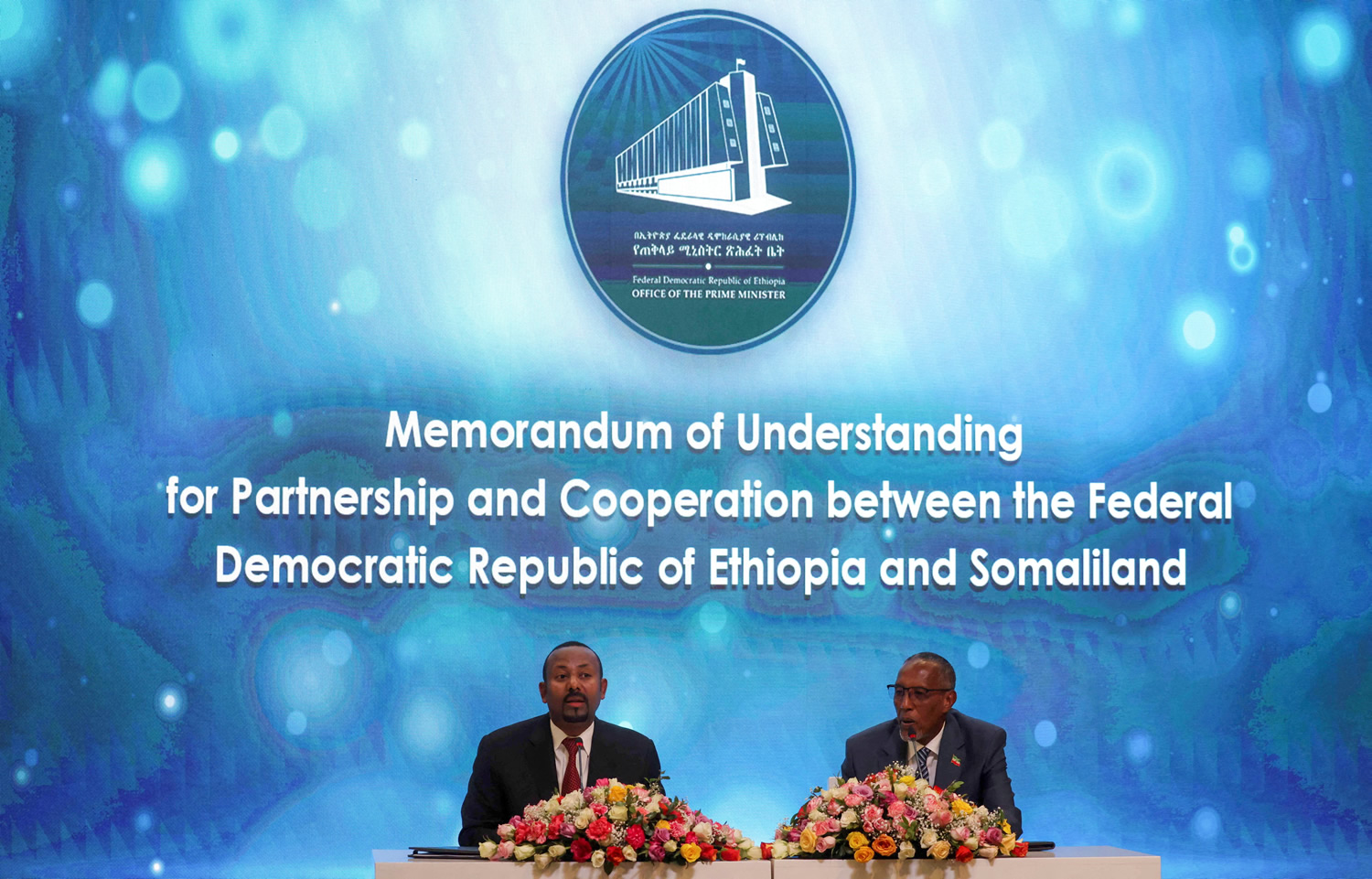
The Somaliland question requires particular care because its de facto institutions coexist with Somalia’s internationally recognised claim to the territory. Commercial negotiations in this setting carry diplomatic implications that cannot be reduced to transport economics. A distinction between port-service agreements, territorial sovereignty and diplomatic recognition is essential to understanding the available options.
Ethiopia’s maritime strategy would benefit from measurable objectives: reliable transit, competitive prices, predictable contracts and alternative routes capable of functioning during disruptions. Such indicators provide a framework for assessing commercial access independently of territorial claims. Regional arrangements that distribute economic benefits to transit countries and local communities may also prove more durable than agreements perceived as exclusively serving one country’s interests.
6. External powers and the changing diplomatic landscape
The Horn of Africa brings together the interests of African, Middle Eastern, Asian and Western actors. China, Türkiye, Gulf states, the European Union and the United States approach the region through varying combinations of trade, development finance, security cooperation and diplomacy. Their objectives are not necessarily identical, and their relationships with Ethiopia should not be interpreted solely through a binary division between allies and adversaries.
For an Ethiopian strategic assessment, the central question is how external partnerships affect national resilience and freedom of action. Infrastructure investment can expand economic opportunities, while excessive financial or technological dependence may generate new vulnerabilities. Security cooperation can contribute to stability, but opaque commitments can complicate relations with neighbouring countries.
Multilateral institutions provide an additional diplomatic avenue. The African Union, the United Nations and regional organisations can offer forums for dialogue even when bilateral relationships have deteriorated. Their effectiveness depends on the willingness of participants to engage and on the credibility of any verification or mediation arrangements they establish.
7. Three strategic scenarios for 2027
These scenarios are analytical possibilities, not predictions or assigned probabilities.
Scenario A: Managed competition
Regional rivalries persist, but governments maintain communication and refrain from wider interstate escalation. Commercial negotiations proceed slowly, with technical arrangements providing limited cooperation despite political disagreements. This scenario would require mechanisms that allow practical engagement without demanding comprehensive political reconciliation.
Scenario B: Prolonged diplomatic fragmentation
Regional governments deepen competing partnerships, and opportunities for cooperative infrastructure and security initiatives diminish. Ethiopia experiences rising diplomatic and commercial uncertainty without a general interstate war. The costs emerge through reduced investment confidence, constrained policy flexibility and recurring disruptions to cross-border cooperation.
Scenario C: Wider regional conflict
Domestic conflicts and interstate tensions reinforce each other, with severe consequences for civilians, trade and regional stability. Humanitarian needs increase and development budgets face greater pressure. This scenario underlines the value of early diplomatic engagement and conflict prevention.
Indicators for evaluating these scenarios include the restoration or suspension of diplomatic contacts, the availability of independent monitoring, changes in commercial agreements, humanitarian access and the continuity of multilateral negotiations. These indicators should be reviewed against verified evidence rather than isolated political statements.
8. Policy considerations
Several policy options merit further examination by Ethiopian and regional decision-makers. They are presented as subjects for comparative assessment, not as official government policy.
- Maritime resilience: evaluate multiple negotiated commercial corridors using transparent cost, reliability and legal criteria.
- Diplomatic risk reduction: examine bilateral and multilateral channels for crisis communication, mediation and independent verification.
- Nile Basin cooperation: maintain technical dialogue on water management and drought preparedness independently of wider geopolitical disputes.
- Domestic resilience: evaluate how conflict resolution, institutional accountability and civilian protection can reduce exposure to external shocks.
- Economic preparedness: assess the effects of trade disruptions on essential imports, transport costs, public finances and vulnerable households.
- Research and accountability: distinguish verified evidence, official allegations and analytical inference in assessments of regional security.
Each option involves trade-offs. Diversification demands financing and may take years; mediation requires consent; infrastructure agreements must address the interests of transit states. Domestic political settlements also require sustained engagement among affected communities. Assessing these trade-offs openly is part of responsible strategic planning.
Conclusion
Ethiopia’s strategic environment is becoming more demanding, but the available evidence does not establish an inevitable or comprehensive encirclement strategy. The Aswan alignment, deteriorating northern relations and insecurity in Sudan warrant serious attention. Equally, the region’s economic interdependence leaves space for negotiated arrangements and shared interests.
National resilience should be evaluated not only through immediate security conditions but also through institutional strength, commercial diversification, diplomatic credibility and the protection of human welfare. A long-term assessment of Ethiopia’s position must integrate all four dimensions. The strategic question for 2027 is whether regional competition can be managed without sacrificing the conditions required for development and peaceful coexistence.
References and methodology
This desk-based assessment uses public reporting, official statements and parliamentary research available by 25 November 2026. It is not based on classified intelligence or original fieldwork. Contested military and diplomatic claims remain subject to independent verification.
- Egypt State Information Service, 21 November 2026. Egypt, Sudan, Eritrea call for Red Sea security, freedom of navigation.
- Reuters, 18 November 2026. Ethiopia and Eritrea amass forces along border, heightening war fears, sources say.
- UK House of Commons Library, Louisa Brooke-Holland, 24 November 2026. Conflicts in Ethiopia and Sudan highlights risks of wider regional instability.
- Congressional Research Service, 6 November 2026. The Unfolding Conflict in Ethiopia.
Published under the EISS strategic assessment series. This analysis does not represent an official governmental position.